
Origin
Peru’s Native Cacao: What We Learned from Visiting CEPROAA
August 13, 2026
Less than 1% of the world’s cocoa has a Protected Designation of Origin. Here’s why that matters. Deep in Peru’s Amazonas region, extr...
From cacao grown alongside rainforest and native Amazonian trees, to smallholder farms in the mountains of Uganda and family plots in Mexico, Q4 brings a fresh mix of flavours, formats and origins to explore.
Some are familiar favourites. Others are tiny lots with limited availability.
Zorzal is one of those origins where the story goes well beyond the bean.
Produced in the Cordillera Septentrional, Zorzal Reserve is the Dominican Republic’s first cacao-producing conservation reserve and home to the world’s first Smithsonian Bird Friendly certified farms.
The reserve is both a cacao-growing landscape and a sanctuary for biodiversity, bringing conservation and cacao production together.
Our partner Zorzal Cacao, led by Charles Kerchner, works within this unique environment to support cacao production alongside the protection of the surrounding ecosystem.
And there’s plenty to explore across the range.
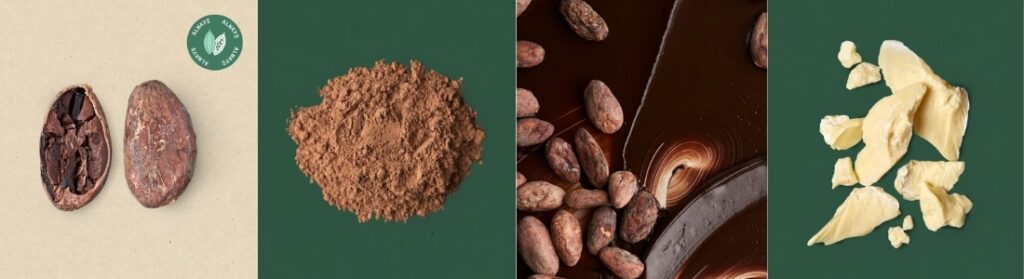
Tropical citrus balanced by rich chocolate and caramel.
Cacao flavour with nutty notes and sweet undertones.
Chocolaty and malty, with delicate spice and hints of roasted nuts.
Chocolate, orange peel, caramel, rum, raisins and gingerbread.
Available in the EU: Beans + Butter + Powder + Liquor
Available in the US: Beans + Powder + Liquor
Three generations of the Esteban family are behind Palo Santo, grown on their family-owned plantation in Guayas. The beans offer floral notes, tropical fruits, brownies and a touch of allspice, while the cacao pulp brings a completely different expression of the fruit.
Expect tropical tartness with hints of lychee, guanabana, citrus and banana from the sweet white mucilage inside the cacao pod.
The pulp is pasteurised and packaged in cans of 440g in trays of 24. It’s a particularly interesting way to explore the flavour of the cacao fruit beyond the bean itself.
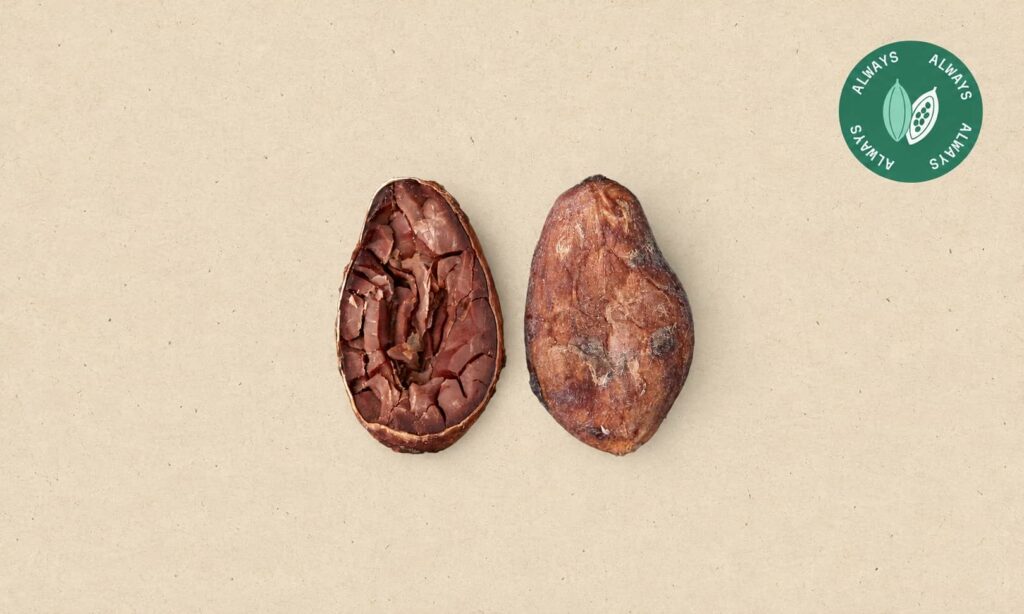
At the farm, fermentation is centralised before the cacao is open-sun dried on cement beneath a protective roof. The plantation produces around 250 MT annually, with the beans holding an organic certification.
Cacao Latitudes has supported the Esteban family’s expansion through market access, logistics and marketing, helping this three-generation family business reach new markets.
Available in the EU: Beans + Pulp
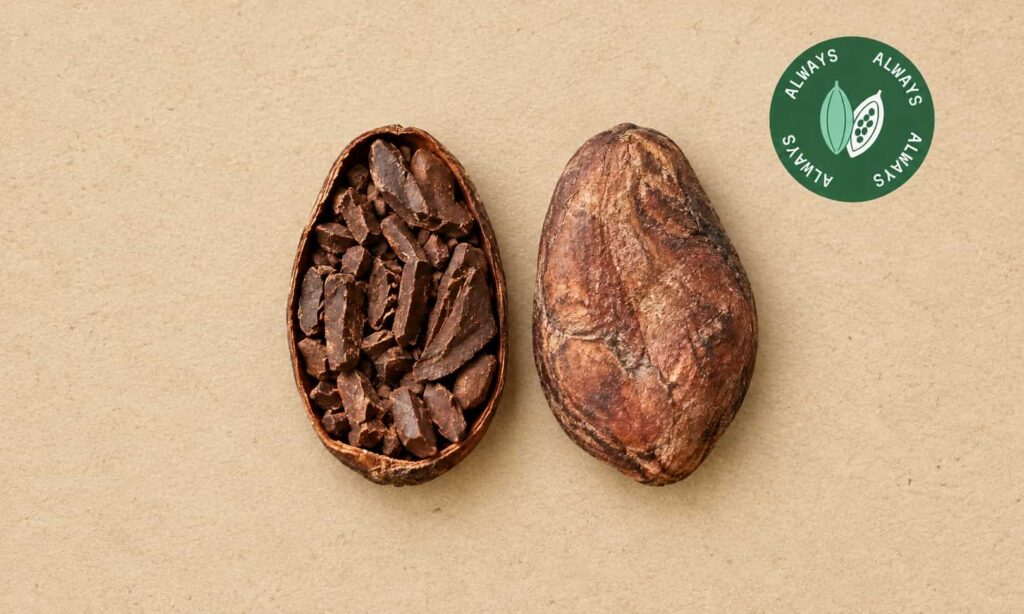
Nestled into the foothills of the Rwenzori Mountains, Bukonzo comes from more than 5,000 smallholder farmers, each typically farming between 0.5 and 3 acres.
The volcanic soils and mountain landscape provide the setting, but it’s the flavour that makes this origin worth getting to know.
Bukonzo: Red fruits, gingerbread and brownies.
Rwenzori: Bursts of citrus with sweet brown sugar undertones.
Post-harvest, cacao is centrally fermented before being dried in the open sun on raised mesh beds protected by a greenhouse.
Our partner, Latitude Trade Co., works directly with farmers through premiums of 10–30% above local market rates, cash-on-delivery payments and training in organic agronomy, post-harvest practices and financial literacy.
Available in the EU: Bukonzo + Rwenzori
Available in the US: Bukonzo Organic
Some cacao arrives by container-load. Some arrive with a little less fanfare, and a lot more scarcity.
Our Q3 micro-batches and rare lots bring together small production volumes, distinctive flavour profiles and origins with stories worth digging into.
From the volcanic soils of Guadalcanal Island comes a small-batch cacao with a flavour profile that’s anything but ordinary.
Balsamic citrus. Honeyed sweetness. Black tea. Port wine. Cloves.
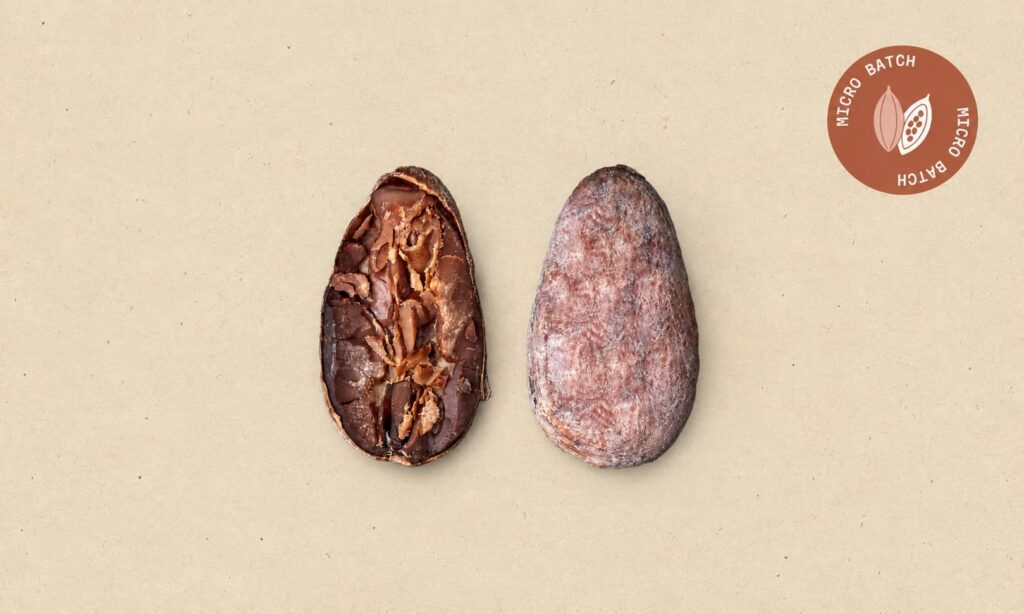
The cacao is cultivated by Indigenous farmers alongside coconut trees, root vegetables and hardwoods, creating a diverse farming system within a community on the frontline of climate change.
Our partner Cathliro Commodities Development works with these farming communities to bring their cacao to market. But getting cacao from Guadalcanal to the wider world is a journey in itself, with long transit times and multiple modes of transport, from small boats to trucks, involved along the way.
For chocolate makers further afield, that makes Guadalcanal Blend a more limited origin, where availability depends as much on logistics as it does on the cacao itself.
Available in the EU now.
Ghanaian cacao has a reputation for rich chocolate character. AMA Micro Lot brings a brighter, more nuanced expression to the table.
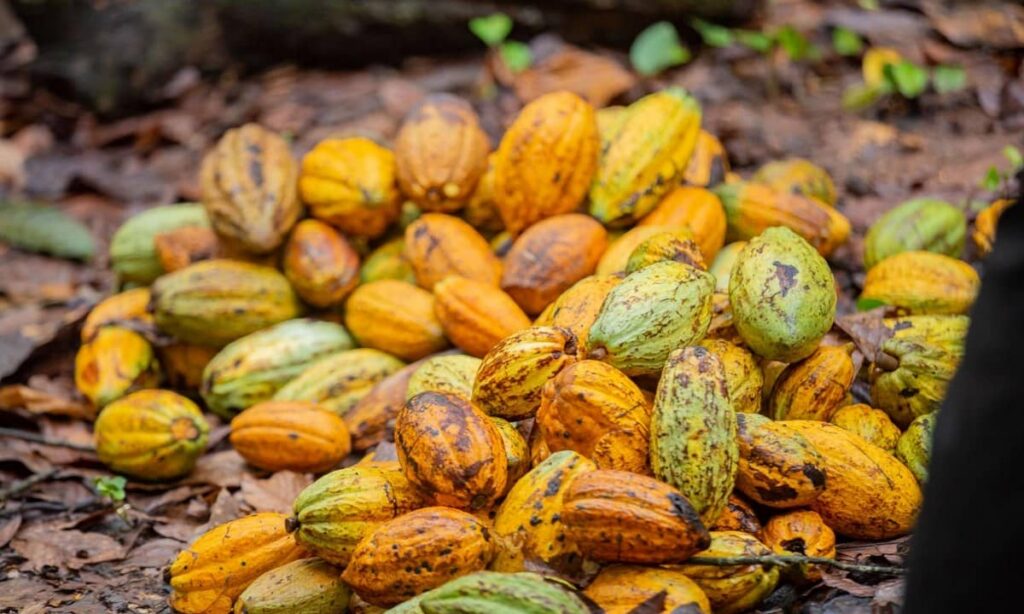
Grown in the Asante Akim District of Ghana’s Ashanti Region, this cacao comes from farming communities focused on redefining the flavour potential of Ghanaian cacao.
The profile is rich cocoa, red fruits and rounded acidity, with a strong sense of origin and plenty of character.
Our partner Three Mountains Cocoa supports farmers through direct premium payments, access to organic inputs, customised advisory sessions and training from the Ensemble Mazi team, alongside guidance towards organic certification standards.
The cacao is organically grown, fully traceable and hand sorted, with centralised fermentation in wooden boxes followed by direct sun drying on raised wooden beds.
Email our US team to order – TeamUSA@cacaolatitudes.com
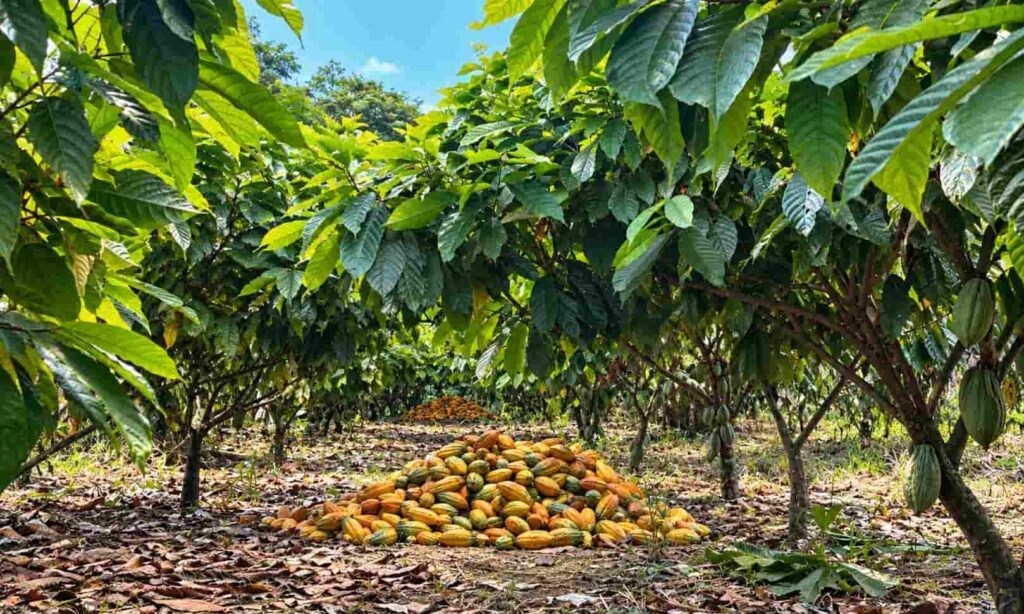
Deep in Pará, along Brazil’s Transamazonic Highway, Boa Esperança Farm grows cacao beneath the shade of native Amazonian trees.
This is 100% shade-grown cacao, cultivated within the Amazon landscape and produced in partnership with Origin Amazônia.
The beans offer a strong cocoa character alongside woody notes, brown fruit and raisin, with earthy undertones. Fermentation takes place in wooden boxes before the cacao is sun dried in cacao houses.
And this lot has already caught some attention: José Batista took second place at the 2025 Brazilian Specialty Cocoa Awards.
Small batch, Amazon-grown and ready to explore.
Email our US team to place your order – TeamUSA@cacaolatitudes.com
The Soconusco region of Chiapas has been producing cacao for generations. Now, two new micro-batches from the region are heading our way.
Pakal and Balam Chiapas are both sourced through our partner Agroindustrias Unidas de Mexico, with centralised fermentation in Tuzantán and full traceability back to lot.
Same region. Different genetics. Different flavours.
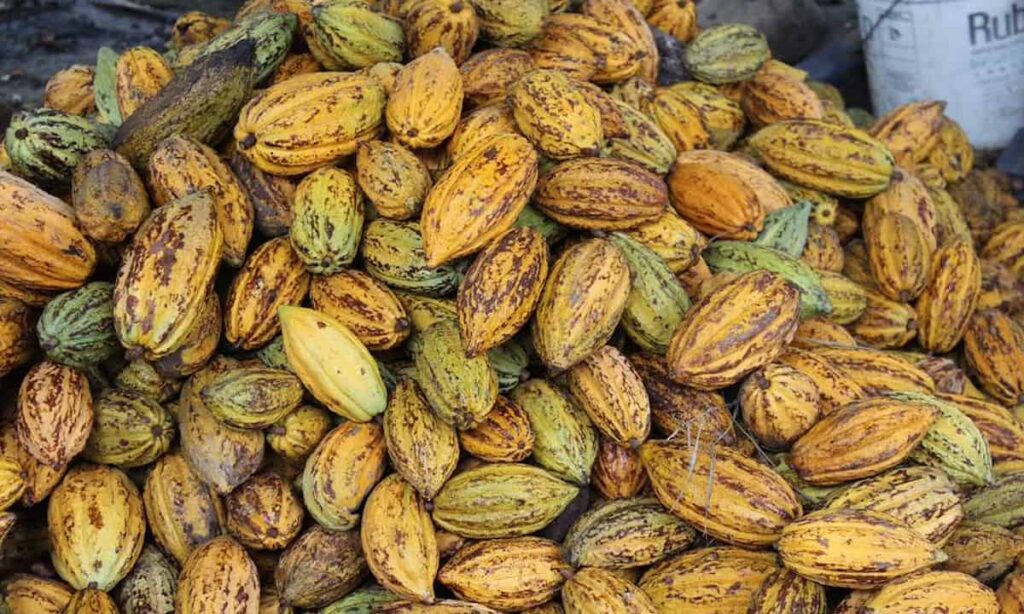
Named after Pakal the Great, the Maya ruler of Palenque, Pakal is made with Criollo Blanco, one of the rarest cacao varieties in the world.
The cacao comes from 50 smallholder farming families working across Villa Comaltitlán, Tapachula, Tuxtla Chico, Huehuetán and Huixtla on generational family plots.
In the cup, expect chocolate and nutty notes with floral hints and bright, clean acidity.
The cacao is fermented for 4–5 days in Tuzantán before open-sun drying. It is Rainforest Alliance certified, with deforestation screening, and produced at up to 400 metres above sea level.
With around 15 MT produced annually, this is one to keep an eye on.
Landing in late November – email to pre order
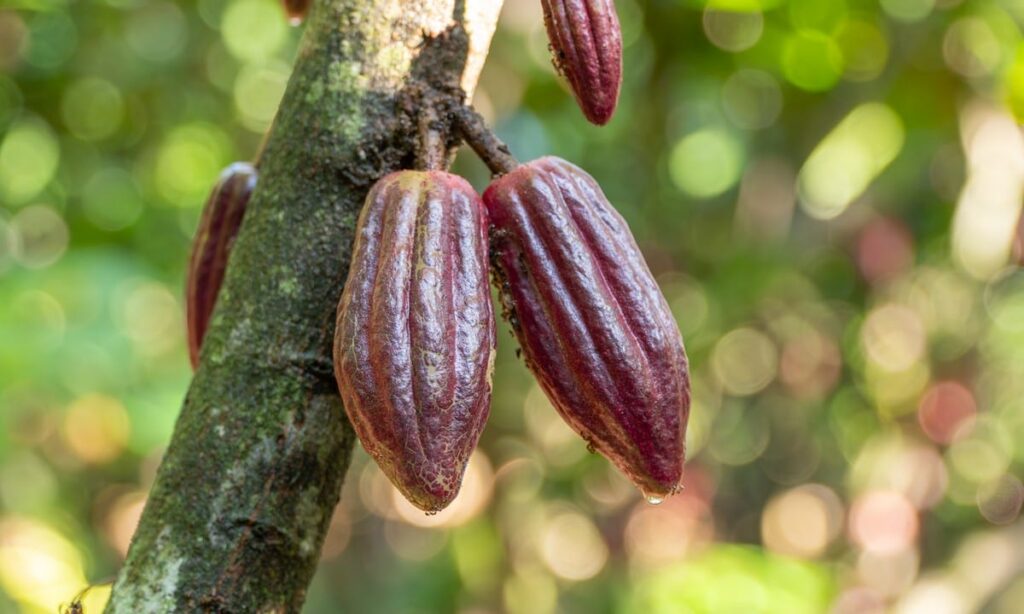
Named after the Mayan word for jaguar, Balam Chiapas is a blend of Trinitario and native Criollo varieties sourced from across the Soconusco region.
Around 100 smallholder farming families contribute to the lot, with continued investment in fermentation management, drying protocols and post-harvest training.
The flavour profile brings chocolate, cherries and red fruits, finished with a hint of tropical acidity. Fermentation takes place centrally in Tuzantán for 5–6 days before open-sun drying.
Annual production sits at around 25 MT.
Landing in the US in late November – email to pre order TeamUSA@cacaolatitudes.com
Back to the Amazon, and to one of the most distinctive origins in the Cacao Latitudes range.
Amazonas Nativo comes from the Utcubamba province of Las Amazonas, where more than 50 farming families produce this rare native cacao.
It also holds an important place in Peruvian cacao history: the country’s first ever Denomination of Origin cocoa.
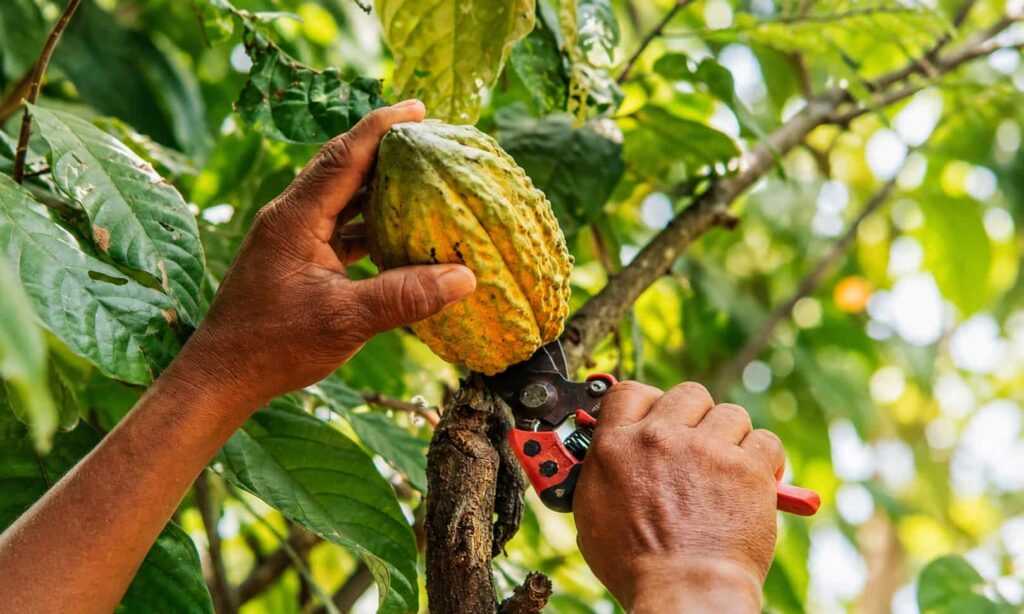
Produced in partnership with CEPROAA and Original Beans, Amazonas Nativo represents a commitment to preserving native cacao while creating opportunities for the farmers who grow it.
With around 75 MT produced annually and a peak harvest season from March to July, it’s a rare opportunity to work with a cacao that has a strong sense of place, and an even stronger story behind it.
Available in the EU + US now.
From Zorzal’s organic cacao ingredients to mountain-grown Bukonzo, from Amazonian Brazil to two new expressions of Chiapas cacao, Q4 is bringing plenty of new possibilities to the table.
And while some of these origins are here to stay, others are small, rare or landing for a limited window.
So whether you’re sourcing for your next production run, developing something new or looking for a distinctive cacao for a limited release, now is a good time to start exploring.
Want to know more about availability, samples or volumes?
Get in touch with our team and we’ll help you find the right cacao for your next project.
Team Europe: TeamEurope@cacaolatitudes.com
Team USA: TeamUSA@cacaolatitudes.com


Copyright © 2024 Cacao Latitudes | Conditions of Use | Cookie Policy